MDF
Dominant source:Biomass

| Energy type | Share (%) |
|---|---|
| Biomass | 71.61% |
| Solar rooftop | 1.45% |
| Grid non-renewable | 24.02% |
| Non-renewable | 2.92% |

Sustaining the Environment Through Responsible Resource Management

Vanachai recognizes the urgency of climate change and our long-term impacts on the global economy, society, and the environment. The Company is therefore committed to advancing a systematic, integrated, and continuous approach to climate change and carbon management, in order to support sustainable business growth while fulfilling our responsibility to the planet and future generations.
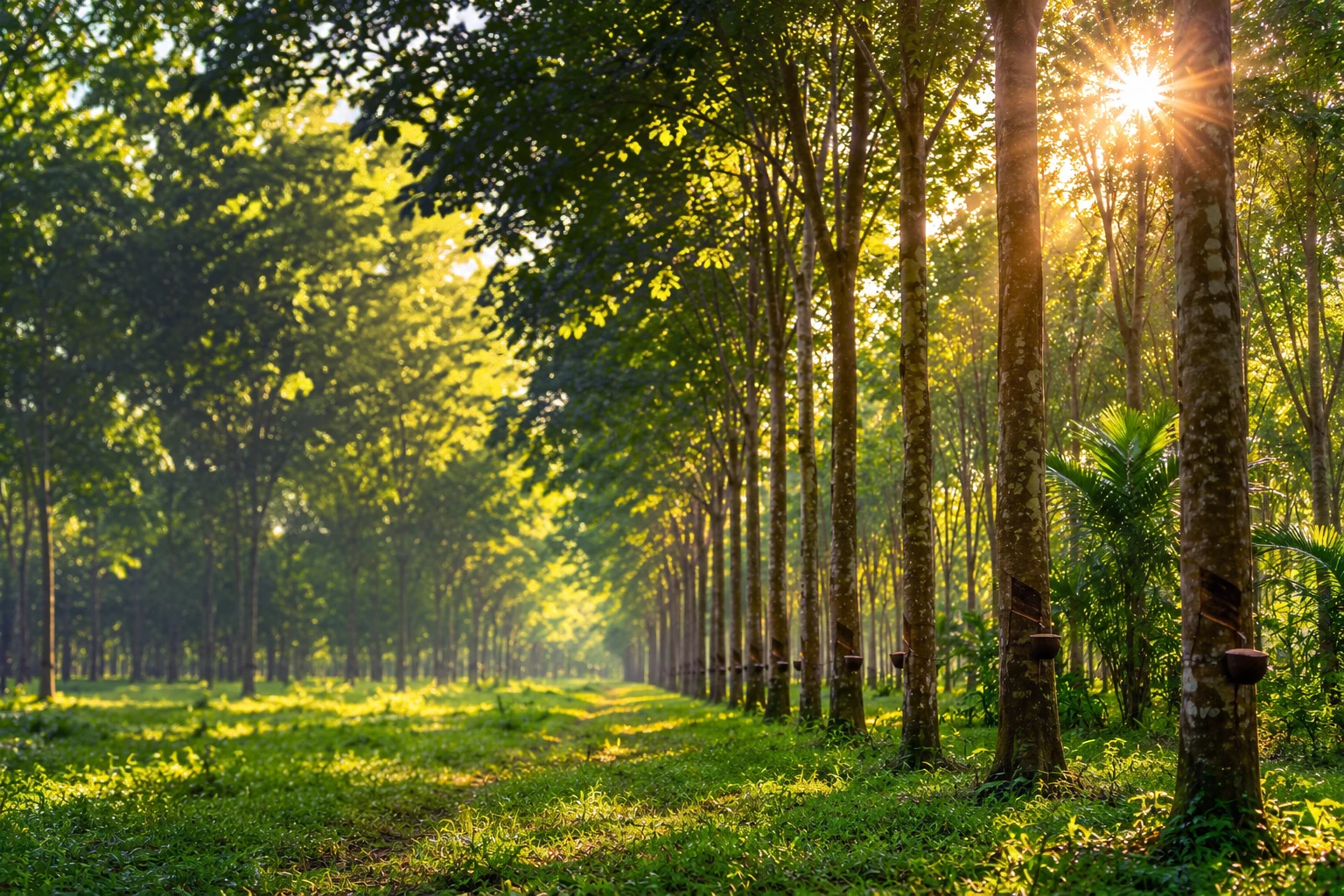
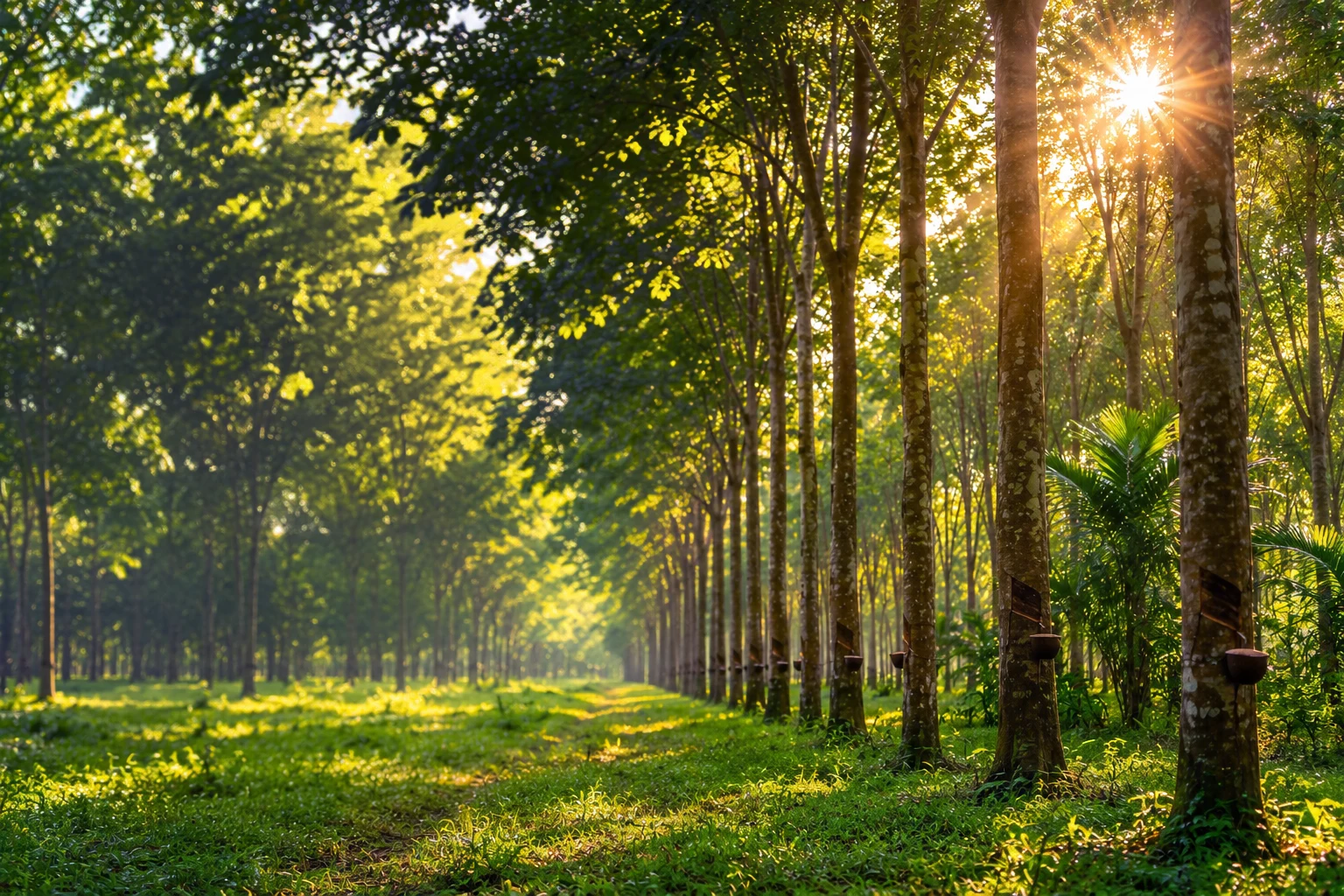
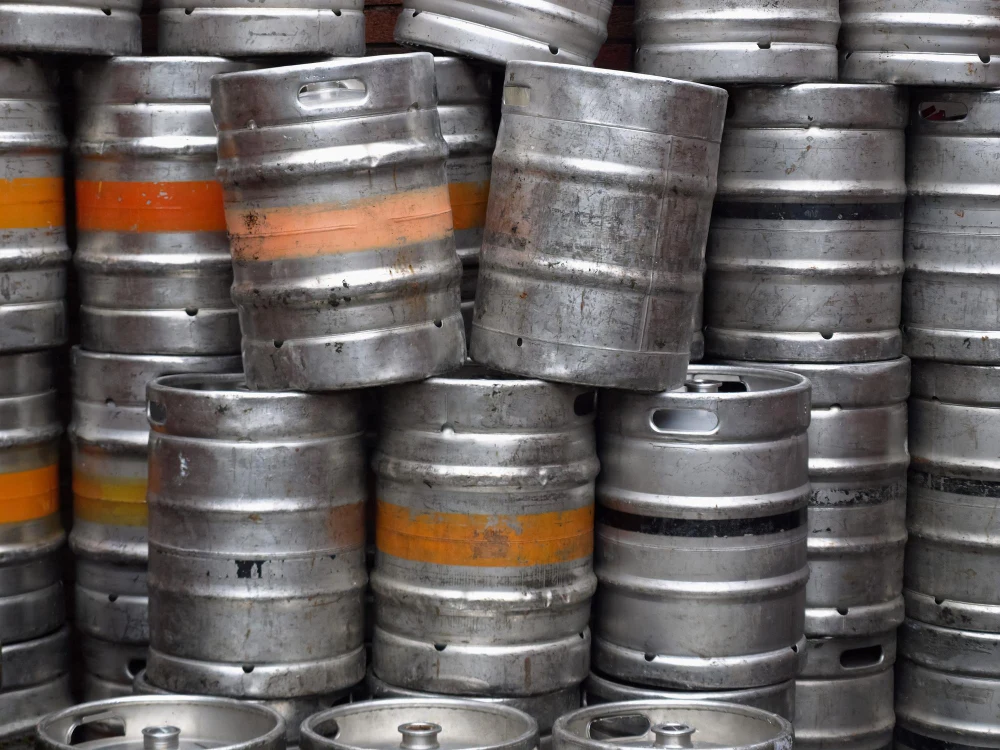
Wood Fiber: wood-based raw materials bind CO2
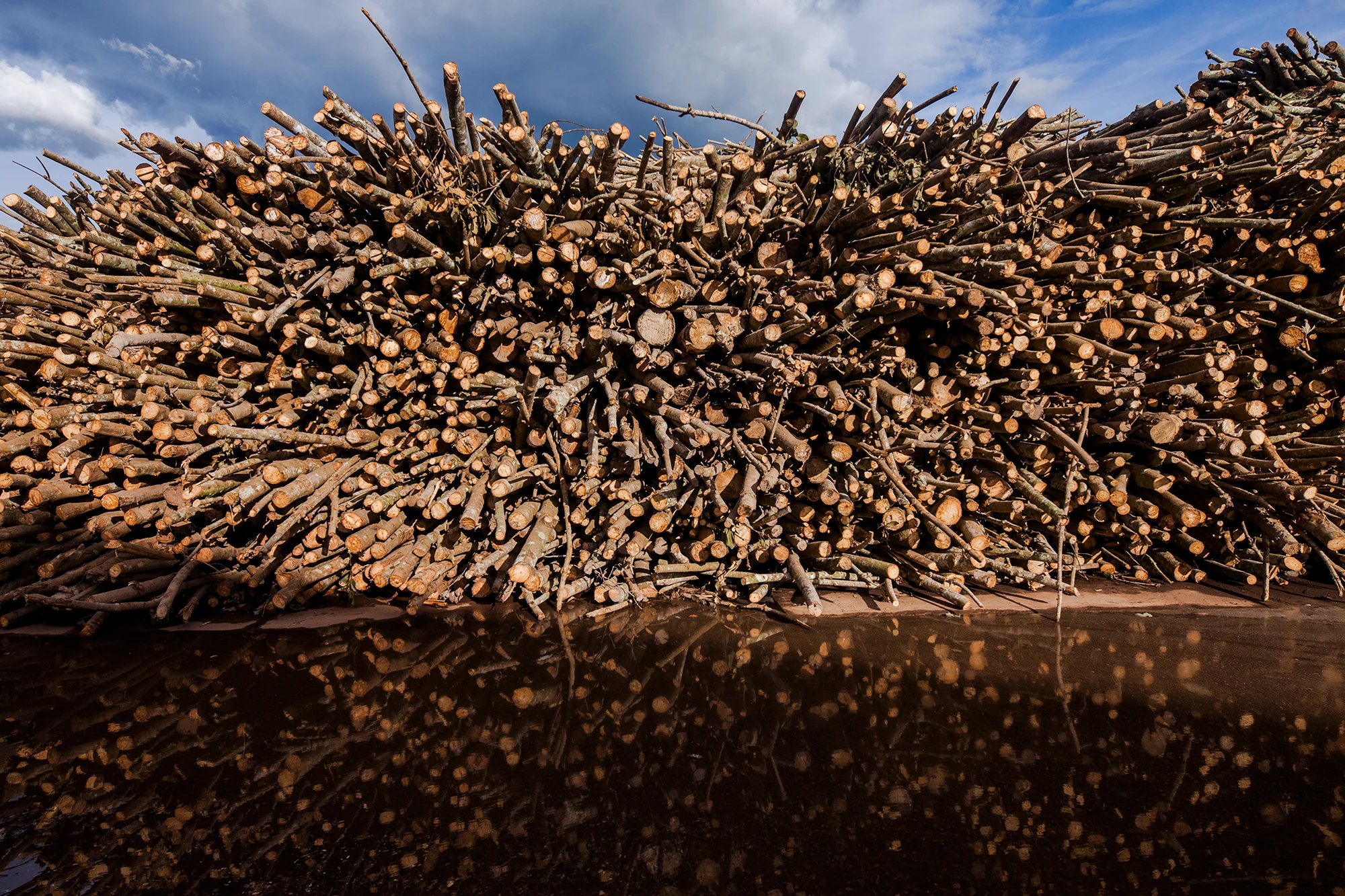
94.7% of material consumption consists of renewables1
5.3% Others Raw Materials carefully managed for lower impact2


Scope 1
Emissions from own energy Generation3 31,037 tCO2e
Purchased
raw materials

Water usage in production facilities 0.82 M3/ton of production
Scope 2
Emissions from purchased energy4 142,262 tCO2e
Vanachai
Process

Wastewater from production recycling/reuse rate 82.1%
Scope 3
Indirect emissions fromour value chain5
612,076 tCO2e

Transport to customers
48,469 tCO2e

Solid waste from production (excluding wood) 0.08%
Scope 4
Avoided emissions6
36,601.56 tCO2e

Customers and End Markets
Energy Consumption
from renewable sources
71.6%
Direct Energy demand:
119.4 MW avg., supported by 26.72 MWp renewable capacity
End-of-life (30–40years7)
Base assumption:35 years for indoor MDF applications


Product-first dashboard showing the energy mix used by each wood-based product group (%)
Dominant source:Biomass
| Energy type | Share (%) |
|---|---|
| Biomass | 71.61% |
| Solar rooftop | 1.45% |
| Grid non-renewable | 24.02% |
| Non-renewable | 2.92% |
Dominant source:Biomass
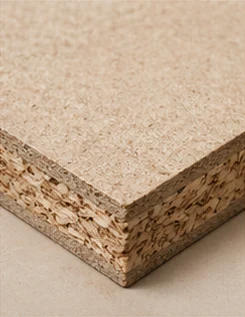
| Energy type | Share (%) |
|---|---|
| Biomass | 77.20% |
| Solar rooftop | 2.25% |
| Grid non-renewable | 15.26% |
| Non-renewable | 5.29% |
Dominant source:Biomass

| Energy type | Share (%) |
|---|---|
| Biomass | 92.48% |
| Solar rooftop | 0.00% |
| Grid non-renewable | 2.22% |
| Non-renewable | 5.30% |
Dominant source:Biomass

| Energy type | Share (%) |
|---|---|
| Biomass | 64.85% |
| Solar rooftop | 0.00% |
| Grid non-renewable | 29.45% |
| Non-renewable | 5.70% |
Dominant source:Biomass
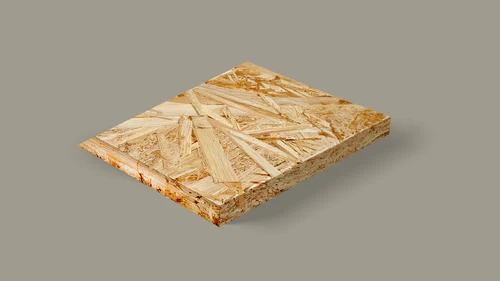
| Energy type | Share (%) |
|---|---|
| Biomass | 69.43% |
| Solar rooftop | 0.00% |
| Grid non-renewable | 28.65% |
| Non-renewable | 1.92% |
Dominant source:Grid non-renewable
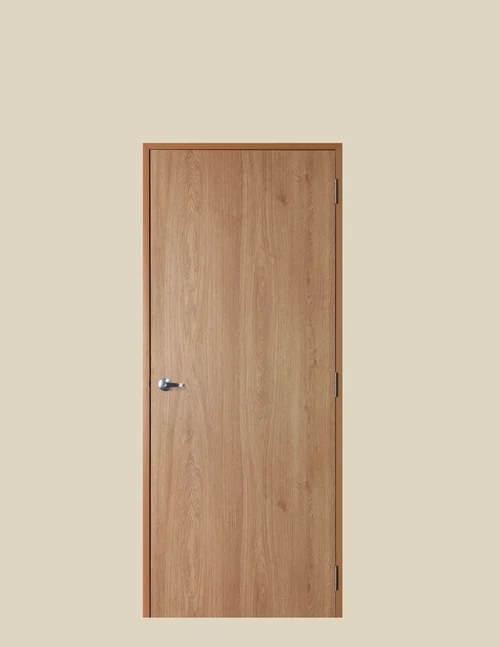
| Energy type | Share (%) |
|---|---|
| Biomass | 28.00% |
| Solar rooftop | 0.00% |
| Grid non-renewable | 45.41% |
| Non-renewable | 26.59% |
Vanachai’s decarbonization pathway focuses on reducing greenhouse gas emissions at source while strengthening carbon management readiness across the value chain.
The Company drives emissions reduction through responsible raw material sourcing, efficient production, renewable and low-carbon energy, low-carbon logistics, and circular use of wood residues and production waste.
At the same time, Vanachai is enhancing its carbon management system through reliable GHG data, plant-level performance tracking, Scope 3 engagement, product life-cycle information, and integration with enterprise risk management. These efforts support future customer expectations, regulatory requirements, investor-grade disclosure, and Vanachai’s long-term transition toward Net Zero.

Emission Hotspots

Scope 3:
Raw Material Sourcing

Scope 1 / 3:
Wood Preparation and Resin Inputs

Scope 1:
Thermal Energy and Process Fuel

Scope 2:
Purchased Electricity

Scope 1 / 3:
Internal Logistics

Scope 3:
Distribution, Use and End-Of-Life
Decarbonization Levers

ResponsibleWoodSourcing

MaterialEfficiency

EnergyEfficiency

Renewable Electricity

Low-Carbon Logistics

CircularProducts








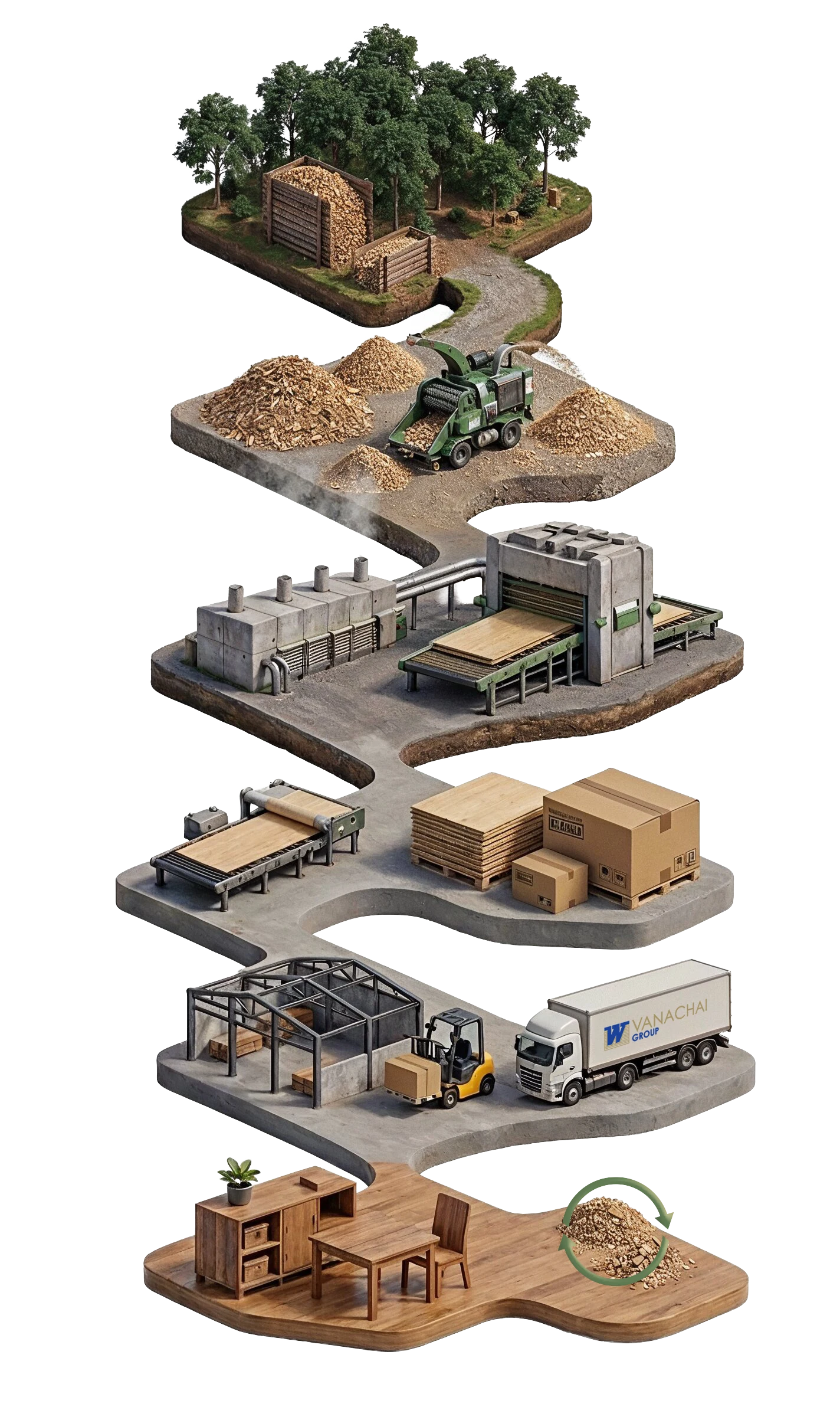

2
Wood preparation
3
Drying and pressing
5
Warehouse and logistics
6
Product useand circularity
4
Finishing and packaging
1
Forest and responsible sourcing
Strengthening energy efficiency, renewable energy use, and low-carbon manufacturing through measurable actions.
Total energy consumption
4,839,994 GJ


Renewable electricity and heat energy
3,466,655 GJ


Renewable energy share
71.6 %


Energy intensity
3.57 GJ/tonne


Renewable project capacity
26.723 MWp/MW


Avoided emissions from renewable projects:
36,601.56
tCO2e/year


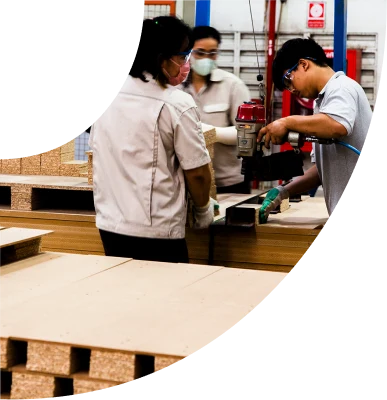
Vanachai advances circular and resource-responsible manufacturing by maximizing renewable wood-based materials, reducing waste, and reusing wood residues in production and biomass energy.
In 2025, 94.72% of total materials used were renewable and recyclable wood-based materials. The Group also managed 41,538 tonnes of products and packaging through reuse, recycling, or circular applications, maintained zero environmental fines, and reduced GHG emissions by 27,305.71 tCO₂e/year through biomass energy use.

Maximize resources | Reduce waste | Create sustainable value



1
2
3
4
5
6
7
8
1. Responsible Wood Sourcing
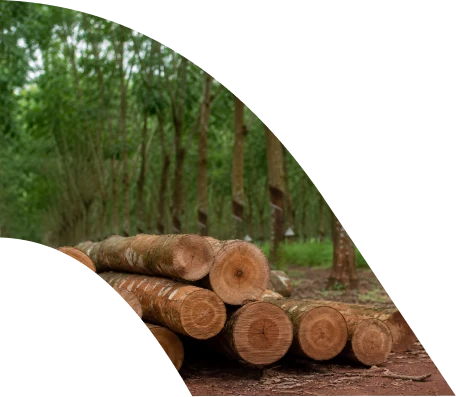
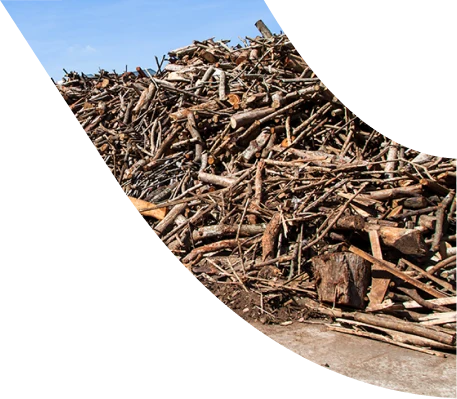
Pararubber wood, branches, slabs, and sawmill by-products are sourced legally from economic plantations and processing sources.
2. Full Resource Utilization
Wood residues and agricultural by-products are used as core inputs for wood-based products, reducing dependence on virgin resources.
3. Efficient Manufacturing
Process optimization, cutting techniques, and quality control help reduce material loss and improve production yield.
4. Beneficial Reuse
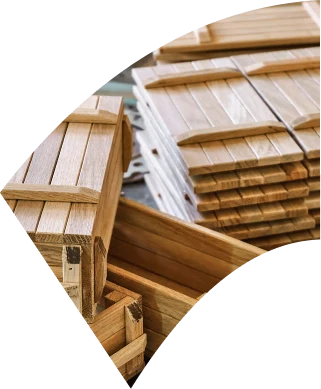
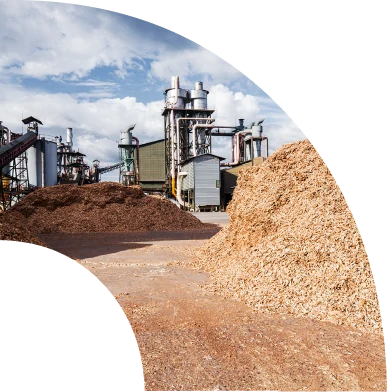
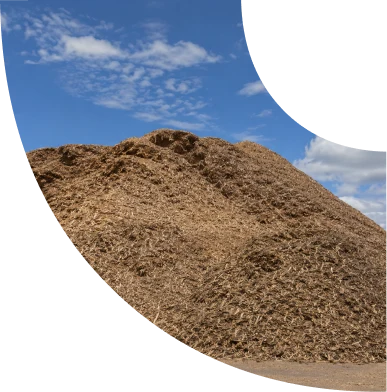
Scrap wood and sawdust are returned to production or used as biomass fuel, reducing waste and fossil fuel dependence.
5. Packaging Circularity
Non-conforming products are repurposed as padding, wrapping, and logistics materials.
6. Resource-Efficient Inputs
Adhesives and treatment substances are optimized to reduce excess use while meeting product quality requirements.
7. Renewable Energy
Wood residues support biomass energy generation for operations, helping reduce greenhouse gas emissions.
8. Circular Product Value
Wood-based products create lasting value and support a circular bioeconomy across furniture, construction, and interior applications.
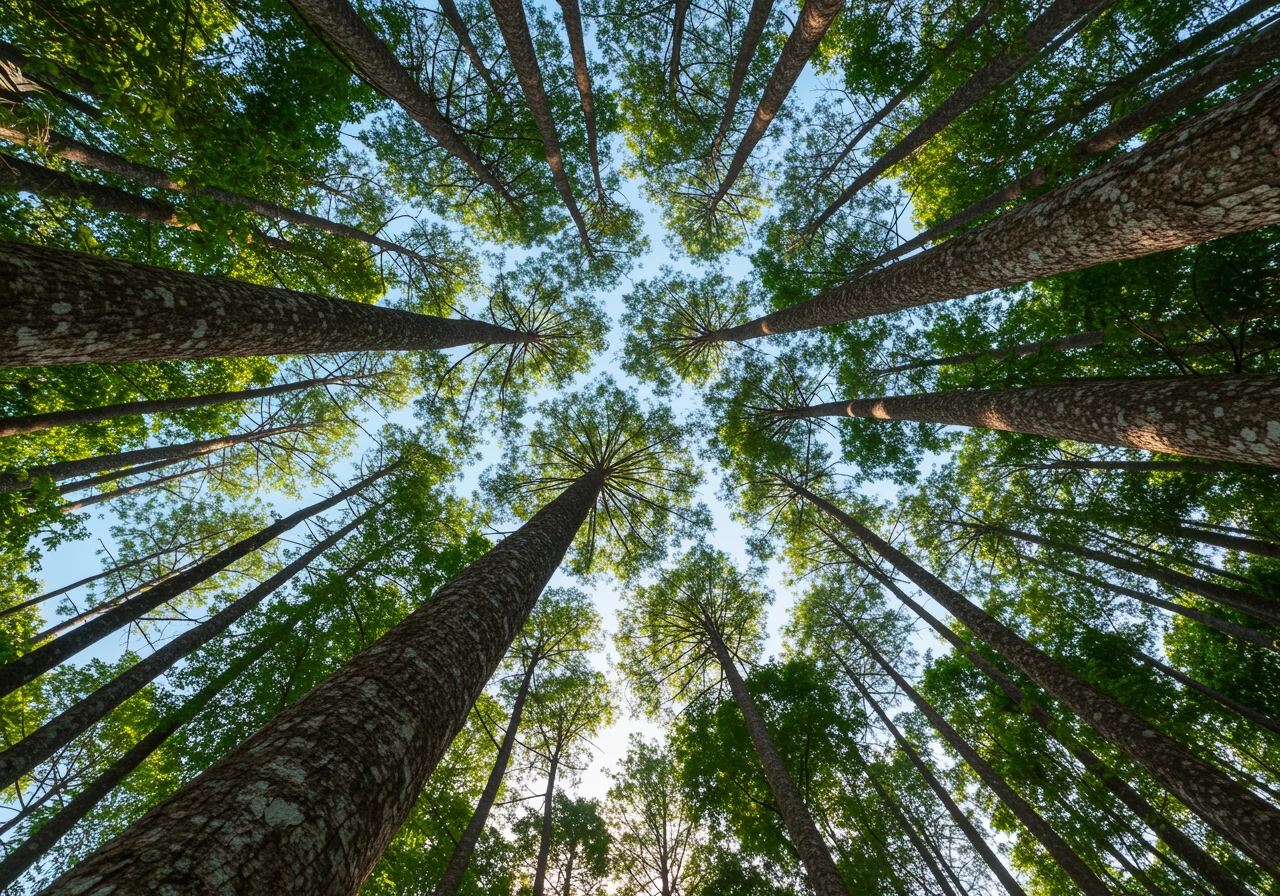
26,000,000 Trees/year
Beyond planting numbers, this is measurable forest conservation: natural trees preserved for the planet and future generations.
Reducing CO₂ emissions from combustion.
Vanachai is committed to forest stewardship and responsible natural resource use. With over 70,400 hectares or the planting of 26 million trees of managed forest areas, the Group supports tree rotation, forest restoration, annual tree planting, forest fire prevention, and responsible wood sourcing. These actions help reduce pressure on natural forests, protect biodiversity, strengthen local livelihoods, and support the Group’s circular and resource-responsible manufacturing strategy.
Reducing waste and pollution at source through circular resource use, wastewater reuse, emissions control, and responsible disposal.

 1
1
 View moreView less
 2
2
 View moreView less
 3
3
 View moreView less
 4
4
 View moreView less
 5
5
 View moreView less

Minimize waste, wastewater and pollution across operations.

Maximize reuse, recycling, energy recovery and resource efficiency.

Ensure clean water, clean air and healthy ecosystems.

Build long-term value for business, communities and stakeholders.
Vanachai applies a zero-waste production approach by maximizing resource use at every stage. Raw materials are sourced responsibly, and all production residues, water and materials are kept in circulation through the 6R principles—Reduce, Reuse, Recycle, Reject, Repair and Recover—creating value while reducing environmental impact.

Zero WasteZero non-hazardous waste to landfill

Circular UseResources are reused, recycled and recovered

Resource EfficiencyLower raw material use and operating cost

Sustainable ValueEnvironmental, social and economic value

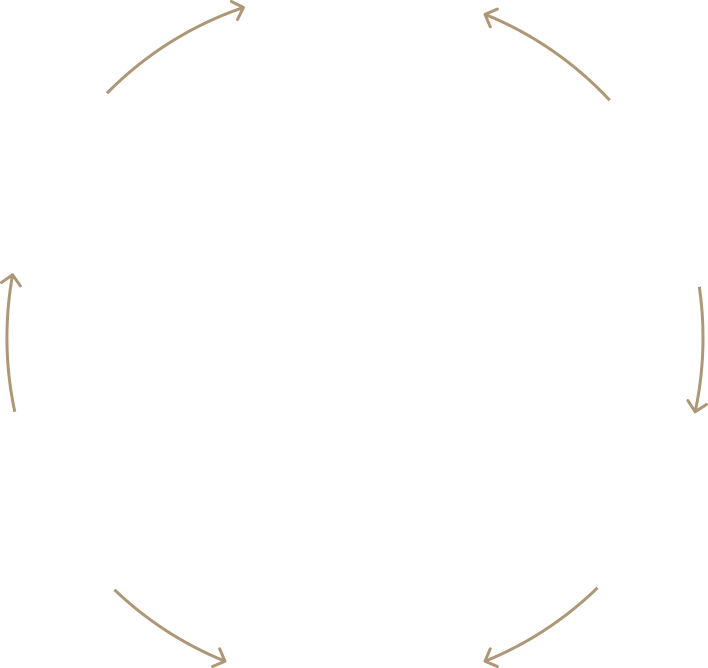


Production Process
Efficient manufacturing with resource optimization
Wastewater Reuse
Wastewater is treated and reused to moisten raw materials and logs whenever feasible
Quality Control
Off-specification materials are systematically reintroduced into production
Zero Waste Production
Keep resources
in circulation

Closed-loop use of wood, water, adhesives and chemicals

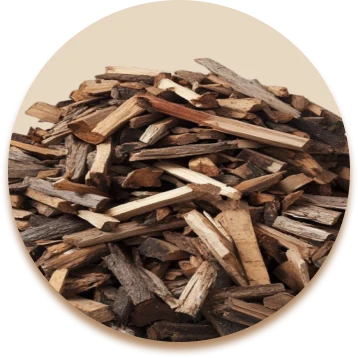

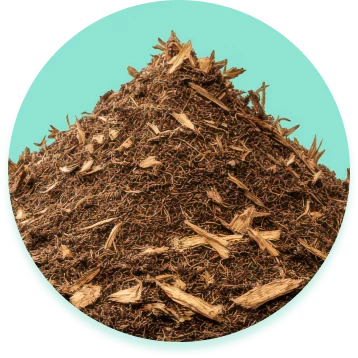

Wood scraps, bark, sawdust and other recoverable materials returned to the system
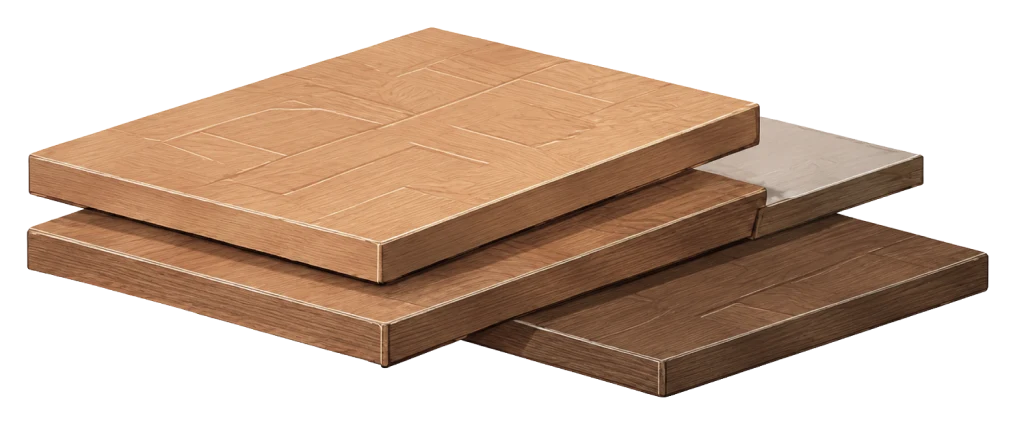

Products
High-quality wood-based products for customers
Resource Reintegration& Energy Recovery
Wood scraps, bark and sawdust are used as substitute raw materials or biomass fuel for energy production
Raw Material Preparation
Logs, boards and particles prepared for production


Keep resources in circulation.
Closed-loop use of wood, water, adhesives and chemicals.
Wood scraps, bark, sawdust and other recoverable materials returned to the system.
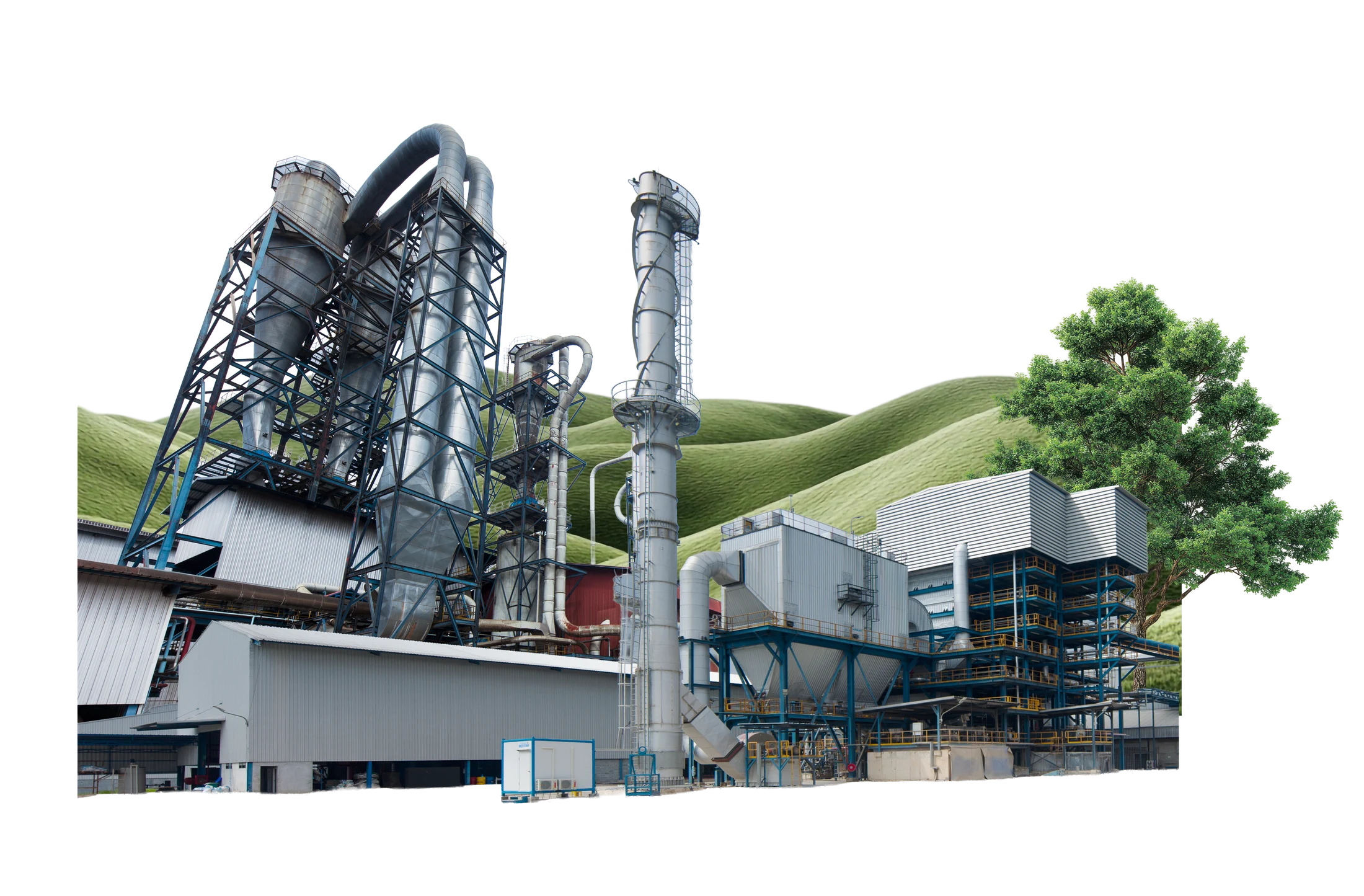
Efficient manufacturing with resource optimization
Wastewater is treated and reused to moisten raw materials and logs whenever feasible
Off-specification materials are systematically reintroduced into production
High-quality wood-based products for customers
Wood scraps, bark and sawdust are used as substitute raw materials or biomass fuel for energy production
Logs, boards and particles prepared for production

Responsibly managed plantation-grown wood

Branches, roots and community wood scraps

Wood residues from furniture factories

Utilizing end-of-life rubber trees
All raw materials are transformed into value-added products.

Reintegrate wood residues, bark, sawdust and recoverable materials into manufacturing or other value-added uses.

Avoid or reduce materials harmful to mankind and the environment, and promote safer, environmentally friendly alternatives.

Improve raw material efficiency, minimize production defects, reduce disposable materials, and optimize product and packaging design to lower waste generation at source.

Maintain and repair machinery, equipment and reusable materials to extend useful life, reduce replacement needs and improve operational efficiency.

Reuse off-spec boards, nonconforming products, cardboard boxes, office supplies and suitable production materials as pallets, packaging or support materials.

Use suitable wood scraps, bark and wood dust as biomass fuel, reducing disposal burden and supporting energy efficiency.
Lower Environmental Impact: Reduce emissions, pollution and resource depletion.
Cost Efficiency: Lower raw material costs and waste disposal expenses.
Operational Resilience: Efficient resource use and stable production processes.
Regulatory Compliance: Align with environmental laws and requirements.
Stronger Reputation and Value Creation: Enhance investor confidence and long-term sustainable economic value.
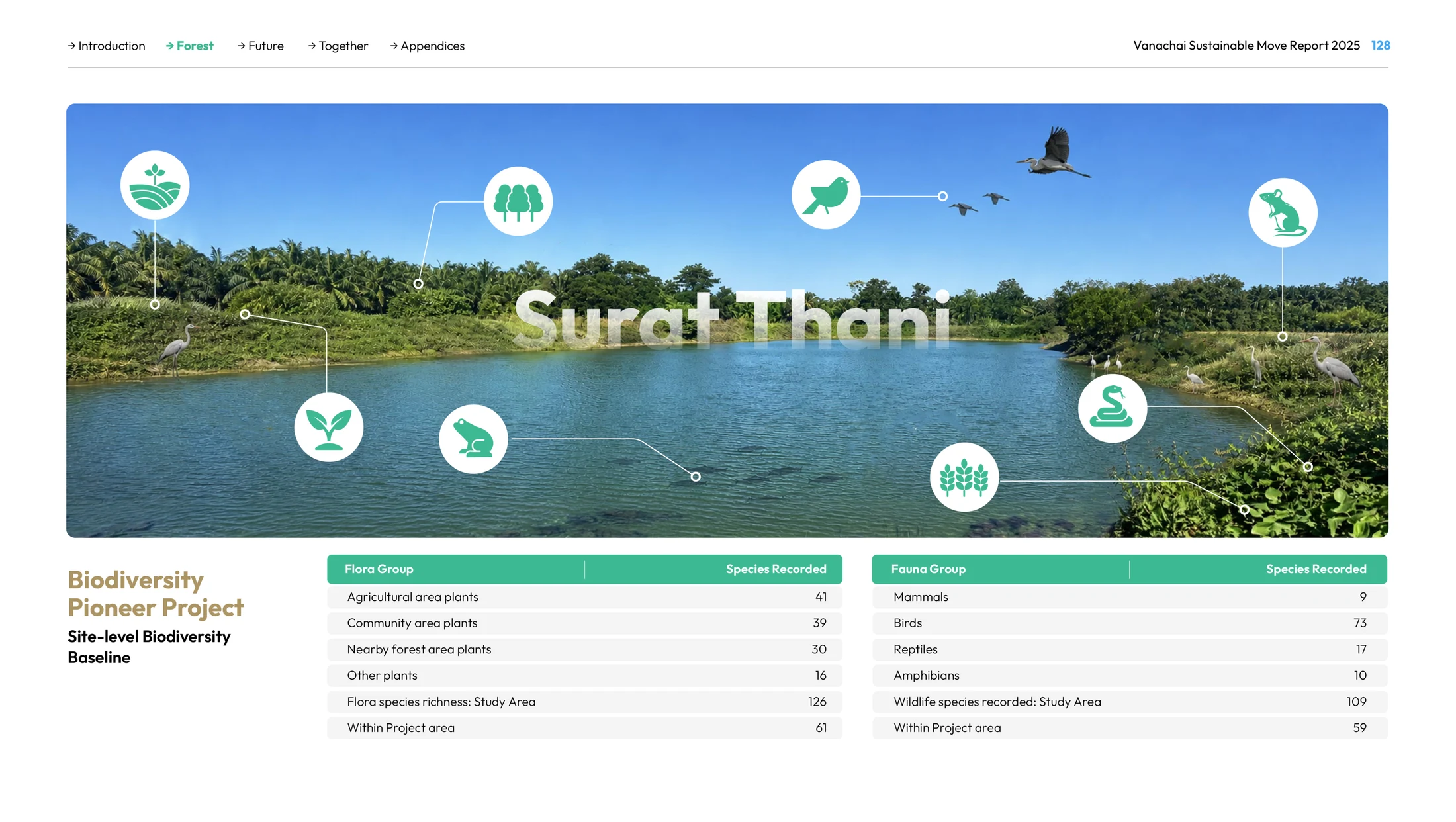
| Flora Group | Species Recorded |
|---|---|
| Agricultural area plants | 41 |
| Community area plants | 39 |
| Nearby forest area plants | 30 |
| Other plants | 16 |
| Flora species richness: Study Area | 126 |
| Within Project area | 61 |
| Fauna Group | Species Recorded |
|---|---|
| Mammals | 9 |
| Birds | 73 |
| Reptiles | 17 |
| Amphibians | 10 |
| Wildlife species recorded: Study Area | 109 |
| Within Project area | 59 |